
The Intricacies of Sino-Dutch Trade Relations: From a Kneeling Ambassador to Modern Import-Export Dynamics
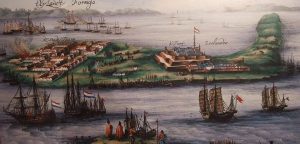
In 1655, Johan Maetsuycker, the Governor-General of the Dutch East India Company, sent envoys to the Qing Dynasty. The envoys performed the ritual of “three kneelings and nine kowtows” before the Emperor. This was not merely a cultural formality but a strategic move aimed at establishing a trade agreement with China. The Dutch recognized China’s economic potential and were willing to adhere to local customs to secure a foothold in the market.
The Evolution: The Netherlands as China’s Second-Largest EU Trade Partner
Today, the Netherlands is China’s second-largest trade partner in the European Union, boasting a trade volume exceeding 868.4 billion yuan. This relationship has evolved from initial exchanges of silk and porcelain to include technology, machinery, and sustainable energy solutions. The growth in trade volume is a testament to the strategic importance both nations place on their bilateral relationship.
The Trade Exchange: Why Did the Chinese Trade Silk for Horses from Ferghana?
Historically, China has been open to trade exchanges that offer mutual benefits. A case in point is the ancient trade of Chinese silk for Ferghana horses, which were crucial for military and transportation purposes. This historical precedent underlines the importance of offering valuable goods when trading with China.
The Practical Guide: How to Apply for Import and Export Rights in China
For businesses eyeing this lucrative market, understanding the application process for import and export rights in China is crucial. Here are the steps:
Obtain a Business License: The first step is to get a business license from the local government.
Register with Customs: After obtaining the license, you’ll need to register with the customs department.
Legal Requirements: Ensure you meet all the legal requirements, including tax obligations and quality standards.
The Future: What Lies Ahead for Sino-Dutch Trade Relations?
The future of Sino-Dutch trade relations looks promising, with both nations keen on strengthening their economic ties. However, understanding the intricacies of trade regulations and cultural nuances is key to successful business ventures.
Risks Associated with Conducting International Trade in China:
1. Legal and Compliance Risks: China’s legal and regulatory system is complex and may differ from other countries. Compliance issues, intellectual property protection, labor regulations, and customs requirements can all impact trade activities.
2. Government Regulation and Review: Some industries and sectors may require specific licenses or approvals, potentially limiting market access.
3. Quality and Safety Concerns: How to mitigate potential quality and safety hazards in products, enhancing product reputation and customer satisfaction.
4. Intellectual Property Protection: Infringement and piracy actions can lead to losses for businesses.
Contact Us for Expert Guidance
If this article piques your interest and you’re considering venturing into the Chinese market, don’t hesitate to reach out. We offer expert legal advice to navigate the complex Chinese trade landscape.
Tel: +86 17688716230
E-mail: abbylawyerchina@gmail.com
 Schedule A Free Consultation