
China’s judicial institutions primarily consist of the public security organs, the People’s Procuratorate, and the People’s Courts. They each have different responsibilities and tasks aimed at maintaining social security and ensuring fairness and justice.
Here’s a brief introduction to them:
1.Public Security Organs
The public security organs are one of China’s primary law enforcement agencies, responsible for maintaining social order, combating crime, and ensuring public safety. In criminal cases, they play a crucial role in investigations and filing charges.

2.People’s Procuratorate
The People’s Procuratorate is a unique judicial institution in China. Its main responsibilities include investigating and prosecuting criminal suspects, as well as supervising public officials. In criminal trials, the People’s Procuratorate acts as the prosecuting authority.
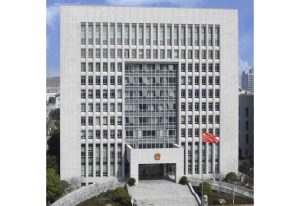
3.People’s Courts
The People’s Courts are the highest judicial institutions in China. Their main responsibilities include adjudicating various criminal, civil, and administrative cases, safeguarding the rights of citizens, and upholding social justice. In criminal trials, the People’s Courts are responsible for rendering judgments and overseeing their execution.

Many foreigners might be less familiar with the concept of the Procuratorate, as it is a distinctive institution in China with certain differences from the legal systems of other countries. The role of China’s Procuratorate is similar to that of prosecutors and public prosecutors in other countries. It investigates criminal suspects, brings charges, and oversees public officials.
In criminal cases, if one party is dissatisfied with a court’s judgment, they can file an appeal with the higher-level Procuratorate to request a review or retrial. If the higher-level Procuratorate deems it necessary, they may convene a hearing to hear the arguments of both the appellant and the respondent, allowing for a better understanding of the case’s circumstances to make an informed decision.
Here is an outline of the related procedures and legal provisions:
1.Submitting an Appeal Letter
Parties can submit an appeal letter to the higher-level Procuratorate, either in writing or orally. The appeal letter should include reasons for disagreeing with the original judgment and specific requests for a review or retrial.
2.Procuratorate Review
The higher-level Procuratorate reviews the appeal letter and, if it meets legal requirements, accepts the appeal and conducts an investigation.
3.Review or Retrial
If deemed necessary, the higher-level Procuratorate conducts a review or retrial of the case to determine the correctness of the original judgment. During this process, the Procuratorate may question and investigate the parties involved and collect relevant evidence and materials.
4.Holding a Hearing
If there is still a dispute after the review or retrial, the higher-level Procuratorate may convene a hearing to listen to the arguments of the appellant and the respondent. This hearing helps the Procuratorate gain a better understanding of the case and make an informed decision.
Regarding legal provisions, relevant regulations include the “Regulations of the People’s Republic of China on Letters and Visits” and the “Organic Law of the People’s Procuratorates of the People’s Republic of China,” among others. These laws outline the procedures for submitting appeals, their acceptance, review, and handling, as well as the powers and working procedures of Procuratorates, including the conduct of hearings.
 Schedule A Free Consultation