When foreign friends first come to China, they often find Chinese laws puzzling and encounter various challenges in their work and daily life. In the following case, even many Chinese people might not realize that it’s a crime.
In May 2021, our client came to Shenzhen to work for a friend. Their job was to take used Huawei phones, improve them by adding a fingerprint screen function, and then sell them.
Surprisingly, just one month later, our client was arrested due to a tip-off.
Confused, our client wondered, “We sold these phones as refurbished, not trying to deceive anyone. Why are we in trouble?” They couldn’t understand why this had happened.
The police explained that our client’s actions violated the law against counterfeiting registered trademarks. Since the original Huawei phones didn’t have a fingerprint screen function before refurbishing, adding this feature and still selling them as original Huawei phones amounted to damaging Huawei’s registered trademark.
A trademark serves three purposes: identification, quality assurance, and advertising. The law forbids anyone from misusing a registered trademark without permission.
In this case, the phone’s screen, casing, and accessories all carry the trademark. By changing these components, essentially, the trademark itself was altered, which clearly violated trademark rights.
Our client got involved in this project without knowing it was a crime. They invested 40,000 RMB on their friend’s suggestion and became a shareholder. During their discussions with the prosecutor, they were told that, as a shareholder, they might face a harsher sentence. If they pleaded guilty and accepted the punishment, they might receive a more lenient penalty.
Initially unaware that their actions were illegal, our client found the proposed sentence excessive and refused to accept it. This decision had negative consequences. In the prosecutor’s sentencing recommendation to the court, our client received a longer and more severe sentence than the other co-defendants.
The prosecutor’s rationale for this was that, as the main member of the team and a shareholder, our client should be considered the primary offender, regardless of their actual role and level of involvement in the case.
Because our client didn’t willingly accept punishment, there was no room for leniency. Consequently, the prosecutor recommended a sentence of three years and three months, a notably heavy sentence compared to other suspects in the case.
When we took on this case, our primary defenses were as follows:
1.Our client’s involvement in the crime was limited; they played a secondary role and should be considered an accessory.
2.Our client made minimal profit.
3.Our client admitted guilt; they just felt the sentence was excessively harsh and didn’t endorse it.
4.Our client and their family were first-time offenders who genuinely regretted their actions, making them eligible for probation (meaning they wouldn’t have to serve their sentence in prison if they behaved well during the probation period).
5.Other members of our client’s family had no income, and our client was the sole breadwinner.
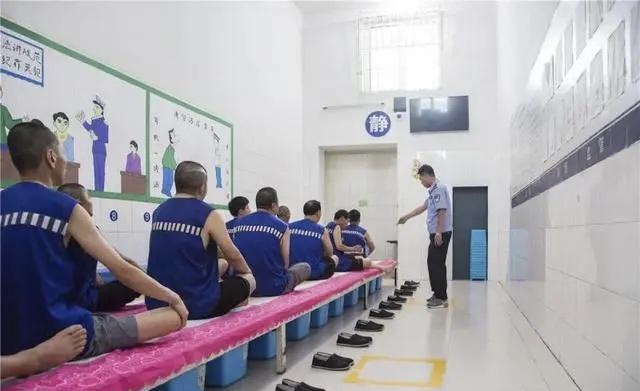
Before the trial began, we met with our client in the detention center, where he was in good spirits. He shared many details about the case. We asked about his daily life, and he mentioned that in the detention center (a place for temporary detention, not prison), there wasn’t much work to do, so they spent their days reading, listening to the news, and watching TV series. They lived with 20 others in one room and had lighter meals due to the COVID-19 outbreak.
After our meeting, we called our client’s wife to reassure her that her husband was okay and asked her not to worry. She greatly appreciated our efforts and considered us very caring. She mentioned that they were prepared for the worst but that their child missed his father dearly. We assured her that we would do our utmost to advocate for our client, seeking understanding and leniency from the court.

 Schedule A Free Consultation